 (source: AI)
Implementing a loyalty program in a B2B environment is a process that requires careful planning, analysis, and cross-departmental collaboration. Unlike B2C, B2B relationships are long-term, transactions are of higher value, and purchasing decisions are made by groups of people representing various functions – from procurement, finance, and IT to operations. For this reason, a loyalty program should not only be a marketing tool but an integral part of the business strategy, supporting sales, customer retention, and the development of strong business partnerships.
Strategy Analysis and Definition
The first step in preparing a loyalty program is a thorough analysis of customer needs and expectations, as well as the company’s internal capabilities. It is essential to define the program’s objectives – whether the primary goal is increasing retention of key clients, growing the average order value, or supporting cross-sell and upsell activities.
At this stage, available resources should also be analyzed: the skills of sales and marketing teams, technological capabilities (CRM systems, loyalty platforms, B2B portals), and the budget allocated for rewards and communication.
It is also important to define expected outcomes and success metrics (KPIs), such as increased purchase frequency, higher average order value, improved customer satisfaction, or greater share of wallet. Defining realistic KPIs enables ongoing monitoring and adjustment of the program. Strategy preparation usually takes four to six weeks, with costs covering team hours and potential consultations with B2B loyalty experts.
Designing the Loyalty Program
Once the strategy is defined, the next step is designing the program itself. At this stage, it is crucial to determine the mechanics – how customers will earn points, receive discounts, access exclusive offers, or benefit from other incentives. Customer segmentation must also be considered – the program may include different tiers based on client value and potential.
Rewards and benefits should be tailored to the B2B context. Beyond traditional discounts, effective options include marketing support, dedicated training, access to industry analyses, or expert consultations. Communication channels must also be defined, from newsletters and web portals to mobile applications and dedicated online meetings.
During this stage, IT capabilities for system integration and marketing resources for creating educational and communication materials must be taken into account. The design phase typically takes two to four weeks, with costs ranging from several thousand to tens of thousands of dollars depending on the scale and chosen benefits.
Testing and Pilot Phase
Before full-scale deployment, it is advisable to conduct a pilot program with a selected group of clients. This stage is crucial to ensure that the mechanics work as intended, systems accurately record points, and customer communication is effective.
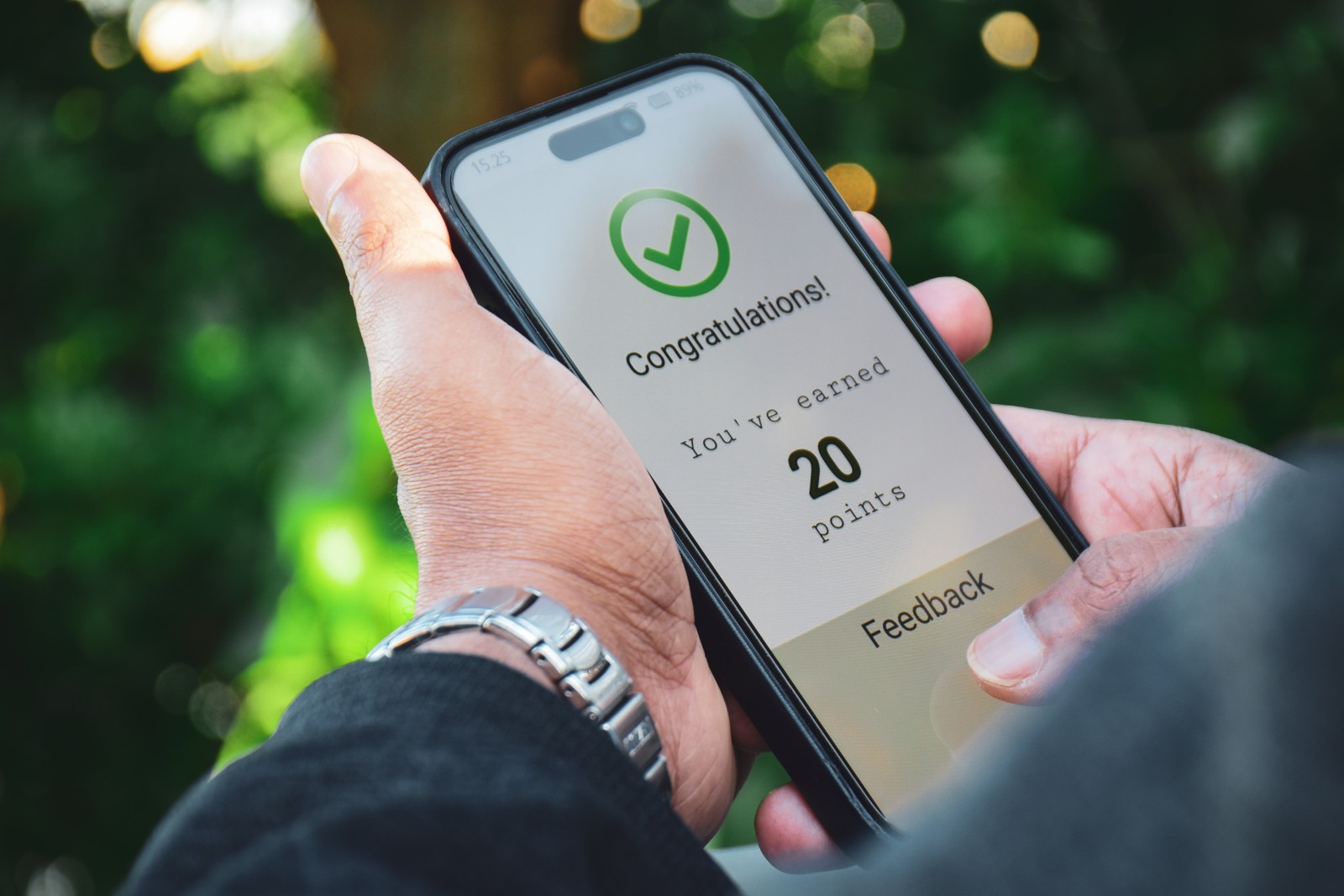
During the pilot, the company monitors transaction registration, point allocation, and use of benefits. Feedback is collected from both clients and the sales team to identify issues and make necessary adjustments. The pilot usually lasts four to six weeks and helps optimize the program, minimizing potential problems during the full launch.
Full Program Implementation
After the pilot, the program is rolled out to the entire target client base. Key activities include launching the loyalty system integrated with CRM, preparing communication campaigns, and training sales and customer service teams.
A well-planned implementation allows clients to use the program intuitively from day one. Consistent communication and a knowledgeable sales team are essential to explain program benefits effectively. Depending on program complexity, full deployment can take two to three months, with costs covering licenses, rewards, communication, and training – ranging from tens to hundreds of thousands of dollars.
Monitoring and Optimization
Launching the program is only the beginning – its effectiveness depends on continuous monitoring and optimization. KPI analysis helps assess customer retention, purchase frequency, order value, and engagement levels. Based on these insights, the company can adjust the program mechanics, fine-tune benefits, and optimize costs.
Equally important is collecting feedback from clients and sales teams, which allows the company to respond to evolving customer needs and maintain engagement. Monitoring and optimization are continuous processes requiring collaboration between IT, marketing, and sales.
Final Remarks
Implementing a B2B loyalty program requires meticulous planning, cross-departmental collaboration, and investment in technology and human resources. Program success relies on the combination of a well-thought-out strategy, team competence, a tailored reward mechanism, and ongoing performance analysis and optimization.